

The lowcost energy
Green energy refers to renewable energy sources that have minimal environmental impact, such as solar, wind, hydro, and geothermal power. These sources produce little to no greenhouse gas emissions, making them a sustainable alternative to fossil fuels. Green energy helps combat climate change, reduces air pollution, and promotes energy independence. As technology advances and costs decrease, renewable energy is becoming more accessible, driving the transition toward a cleaner and more sustainable future.
Solar Panels
Solar panels are devices that convert sunlight into electricity using photovoltaic (PV) cells, providing a clean, renewable, and sustainable energy source. They play a crucial role in reducing reliance on fossil fuels, lowering greenhouse gas emissions, and combating climate change. Solar panels can be installed on rooftops, commercial buildings, and large-scale solar farms, supplying power to homes, businesses, and even entire communities. They require minimal maintenance, have a long lifespan of 25 years or more, and can significantly reduce electricity costs over time. With advancements in technology, solar panels are becoming more efficient, affordable, and accessible, making solar energy a key component of the global transition to renewable energy. Additionally, solar power can be stored in batteries for use at night or during cloudy days, further increasing its reliability and potential to replace traditional energy sources.

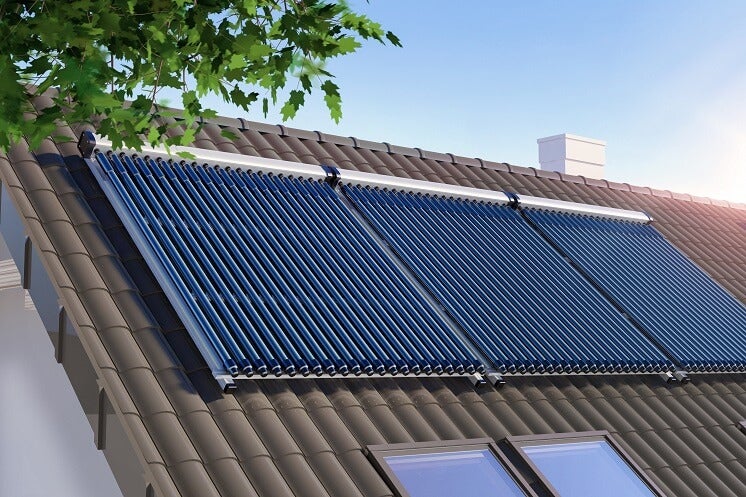
Water heating system
Solar water heating systems use solar panels, known as solar thermal collectors, to capture sunlight and convert it into heat for warming water. These systems provide an efficient, renewable, and eco-friendly alternative to traditional water heating methods, reducing reliance on fossil fuels and lowering energy bills. Solar thermal panels can be installed on rooftops to absorb sunlight, transferring the heat to a water storage tank for residential, commercial, or industrial use. They require minimal maintenance, have a long lifespan, and can significantly cut carbon emissions. With advancements in technology, solar water heating systems have become more efficient and affordable, making them a sustainable solution for reducing energy consumption while ensuring a consistent supply of hot water.